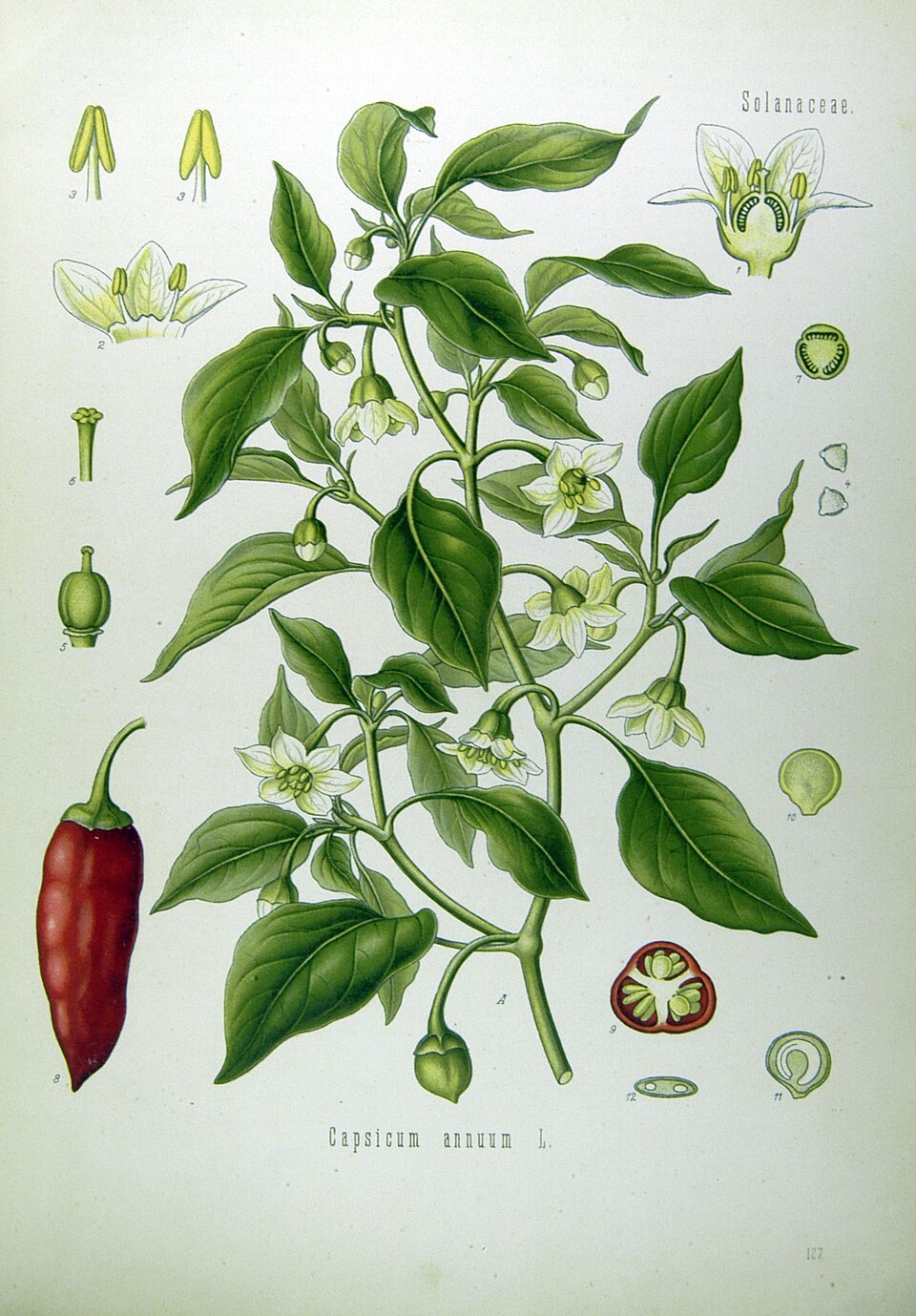
The humble bell pepper, known by many names and varieties across the globe – from the fiery jalapeño to the mild shishito, the vibrant pimento to the robust poblano – holds a fascinating secret. It's a culinary chameleon, gracing everything from fresh salads to hearty fajitas. But beneath its crisp skin and sweet or spicy flesh lies a question that has stumped many a dinner table debate: Is a bell pepper a fruit or a vegetable?
The answer, as with many intriguing aspects of the natural world, isn't as straightforward as it seems. In fact, a bell pepper is technically both! The distinction largely depends on whether you're consulting a botanist, who uses a scientific classification system, or a chef or nutritionist, who relies on a more practical, culinary definition. This article will unravel the mystery, exploring both perspectives and providing clarity on why Bell Pepper: Why It's Both a Fruit and a Vegetable and how understanding these differences can enrich your appreciation for this versatile produce.
The Botanical Perspective: Why El Pimiento Es Una Fruta
From a botanical standpoint, the classification of plants is precise, rooted in their physiological characteristics, including structure, function, and organization. When a botanist looks at a bell pepper, their criteria are clear: a fruit is the mature ovary of a flowering plant and contains seeds. It develops from the flower and serves the crucial purpose of seed dispersal for reproduction.
Consider the bell pepper: when you slice one open, you find a core filled with small, flat seeds. These seeds are evidence of its origin as the product of a flower's fertilization. Each bell pepper, regardless of its color or variety, grows directly from the bloom of its plant, fulfilling the botanical definition perfectly. Therefore, scientifically speaking, El Pimiento Es Una Fruta. It stands shoulder-to-shoulder with other botanical fruits like apples, oranges, and berries, even though its flavor profile and common usage differ dramatically.
Conversely, a "vegetable" in botanical terms doesn't have such a strict definition. It's more of an umbrella term that encompasses all other edible parts of a plant that aren't fruits. This includes roots (carrots, potatoes), stems (asparagus, celery), leaves (spinach, lettuce), and even flowers (broccoli, cauliflower). This scientific distinction is vital for botanists to understand plant reproduction, genetics, and agricultural practices, helping them identify new varieties and optimize cultivation techniques.
The Culinary Perspective: How Bell Peppers Become Vegetables in the Kitchen
Step out of the botany lab and into the kitchen, and the definition of what constitutes a fruit or vegetable shifts dramatically. Here, the criteria are taste, texture, and culinary application. Chefs, home cooks, and nutritionists often classify produce based on how it's used in dishes and its dominant flavor profile.
In the culinary world, fruits are typically characterized by their sweet or tart taste, soft texture, and frequent use in desserts, jams, jellies, or enjoyed raw as a sweet snack. Think of berries, peaches, or melons. Vegetables, on the other hand, are generally savory, often crunchy, and commonly incorporated into main courses, side dishes, stir-fries, soups, and salads. They contribute savory depth, texture, and often a refreshing crunch to a meal.
This is where the bell pepper's dual identity truly shines. While a bell pepper can be delightfully crisp and refreshing when eaten raw, its primary role in most cuisines is decidedly savory. We roast them, stuff them, sauté them in fajitas, chop them into stews, and grill them alongside meats. Their vibrant colors and mild-to-sweet flavor (depending on ripeness and variety) complement a vast array of savory ingredients, making them a staple in countless dinner recipes. Because of these culinary applications, despite the botanical truth that El Pimiento Es Una Fruta, it is almost universally considered and treated as a vegetable by cooks and consumers.
The interesting phenomenon known as The Bell Pepper Paradox: A Fruit You Always Cook as a Vegetable perfectly encapsulates this kitchen-based classification, highlighting how our practical interaction with food shapes our everyday language and understanding.
Bridging the Divide: Why Both Definitions Matter
So, why do we have these two seemingly contradictory definitions? The answer lies in their distinct purposes. Botanical classifications are essential for scientific accuracy, aiding in research, understanding plant evolution, and guiding agricultural practices. For a botanist studying the genetic lineage of different pepper varieties or developing disease-resistant strains, knowing that El Pimiento Es Una Fruta is crucial information.
However, for the general public, nutritionists, and chefs, the culinary definition is far more practical and intuitive. Food items that belong to the same botanical family don't necessarily share similar nutritional compositions or culinary uses. For example, cantaloupe, watermelon, cucumber, and squash are all botanically fruits, yet their flavors, textures, and typical applications in the kitchen are vastly different. Grouping them based on their culinary roles makes more sense for meal planning, nutritional advice, and recipe creation.
The bell pepper is not alone in this botanical-culinary conundrum. Many other common foods share this dual identity:
- Tomatoes: Perhaps the most famous example, botanically a fruit, culinarily a vegetable.
- Avocados: A single-seeded berry, but almost exclusively used in savory dishes.
- Cucumbers: Like peppers, they contain seeds and develop from a flower.
- Squash and Zucchini: All varieties are botanically fruits.
- Olives: Technically a drupe (a type of fruit with a single pit).
- Sweet Corn: Each kernel is considered a fruit (specifically, a caryopsis).
- Peas and Green Beans: The pods containing seeds are botanical fruits.
- Eggplant: Another seeded produce that grows from a flower.
Understanding both classifications allows us to appreciate the scientific wonders of plant life while also navigating our culinary world with clarity. It highlights the fascinating ways in which science and culture intersect in our daily lives.
Cooking with the Bell Pepper Paradox: Tips and Ideas
Regardless of its botanical classification, the bell pepper remains a powerhouse of nutrition and flavor in the kitchen. Rich in vitamins C and A, antioxidants, and fiber, bell peppers are a fantastic addition to any diet. Their versatility means they can be enjoyed in countless ways:
- Raw and Crunchy: Slice bell peppers into strips for a vibrant addition to salads, crudités platters with dips like hummus, or as a healthy snack.
- Roasted or Grilled: Roasting sweetens their flavor and tenderizes their flesh, making them perfect for antipasto, sauces, or as a side dish. Grilling imparts a smoky char that's delicious in sandwiches or alongside meats.
- Stuffed: Hollowed-out bell peppers make excellent edible bowls for savory fillings of rice, ground meat, vegetables, and cheese, then baked until tender.
- Sautéed in Stir-Fries and Fajitas: Their crisp texture holds up well to high heat, adding color and a mild sweetness to Asian-inspired dishes or Mexican favorites.
- In Soups and Stews: Bell peppers contribute a depth of flavor and lovely texture to brothy dishes, especially chili, goulash, or ratatouille.
When selecting bell peppers, look for firm, brightly colored specimens with smooth, unblemished skin. Store them in the crisper drawer of your refrigerator, where they'll stay fresh for up to a week. Don't be afraid to mix and match colors; each offers a slightly different flavor profile and nutritional benefit.
Conclusion
The question "Is a bell pepper a fruit or a vegetable?" ultimately reveals more about our categorization systems than about the bell pepper itself. Botanically, with its seeds and origin from a flower, El Pimiento Es Una Fruta. Culinarilly, given its savory applications and robust texture, it's firmly a vegetable. Both definitions are valid, serving different, equally important purposes.
So, the next time you're enjoying a colorful bell pepper in your meal, you can appreciate its dual identity: a scientific marvel and a culinary staple. This paradox doesn't diminish its value but rather enhances its intrigue, reminding us that sometimes, the most interesting answers lie in understanding different perspectives.